

Why consider renewables now?
The Ofgem price cap has risen dramatically since 2021. The bar chart below updates each quarter. With the recent political events in the Middle East, the case for subsidising energy costs with solar is stronger than ever.
Ofgem Unit Rate (p/kWh) — 2019 to Present
Source: Ofgem. Update bar heights (in px) each quarter by editing this block. Nominal p/kWh unit rate.
What can Renewables do to help?
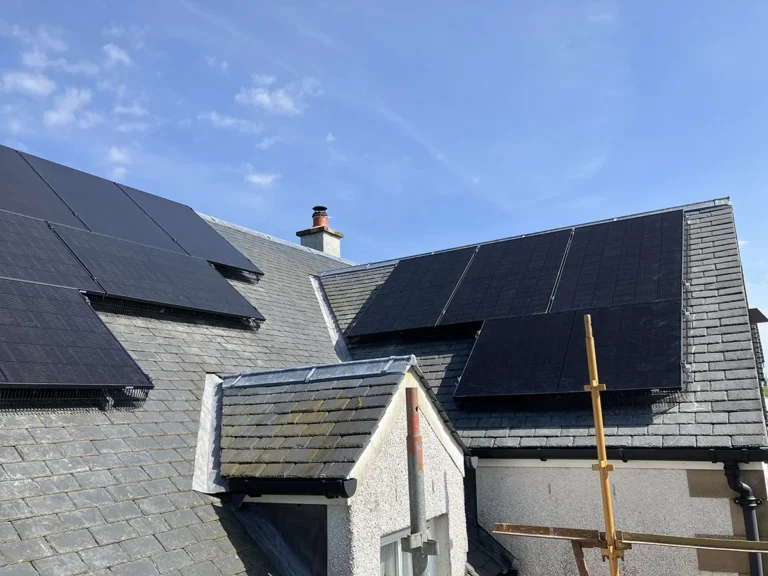
Renewables can help you take greater control of your energy costs by installing solar panels to power your home during the day and pairing them with battery storage to store unused electricity for later. Instead of sending surplus energy back to the grid, your battery can store it for use in the evening, when your household typically needs more power. The system can also be set to charge your battery overnight at cheaper off-peak electricity rates, giving you another smart way to reduce your bills and make your home more energy-efficient all year round.
Why GSM Electrical for Renewables?
GSM Electrical are a trusted family-run business that has been offering Electrical Services, Solar PV, battery storage, and EV charging installations across Scotland for over 20 years. Our business is built on trust, and as you would expect, our customers love our honest approach with renewables and have shared many reviews online.
Energy Calculator
Tell us about your home
This helps us size the right solar system for you.
Your electricity usage
Find this on your latest electricity bill — or use our guide below.
About your roof
Orientation and shading are the two biggest factors affecting solar output.
System options
These extras can significantly increase your savings and energy independence.
A 9.5kWh GivEnergy battery lets you use your solar power at night — boosting self-sufficiency from ~32% to ~61%.
Your personalised results are ready
Enter your details to unlock your full solar savings estimate. A copy will be sent to the GSM Electrical team so they can follow up with a free, no-obligation quote.
Your results include:
Estimated year 1 savings · Payback period · 25-year financial outlook · CO₂ reduction · Recommended system size & cost
By submitting you agree to GSM Electrical contacting you about your solar enquiry. Your details will not be shared with third parties.
Calculating your results and sending your details to the GSM Electrical team…
All figures are estimates based on your inputs and typical Scottish irradiance data (MCS methodology, Zone 15). Import tariff modelled at your stated rate; SEG export payments at 10p/kWh. Actual performance will vary. These figures do not constitute a formal quote or guarantee of savings.
Get in the know with our intelligent solar calculator. Complete the form above, and we will provide a simple illustration of how much Solar can help reduce your energy costs.


Renewables news & insights
-
Why More Homeowners Are Choosing Solar Panels in Edinburgh and Fife
Solar Panels Are Becoming a Smart Choice for Local Homes More homeowners across Scotland are looking for practical ways to reduce energy bills, improve energy efficiency and take more control over how their home is powered. That is why demand for solar panels in Edinburgh and solar panels in Fife continues to grow. Solar is…
-
Do Solar Panels Work in Scotland on Cloudy Days?
One of the biggest questions homeowners ask before investing in solar panels Scotland is simple: “Do solar panels actually work in Scotland?” It is a fair question. Scotland is not exactly famous for endless sunshine, and many people assume solar panels only make sense in hot countries with clear blue skies. The good news is…
-
Solar Panels Edinburgh: Are They Worth It for Your Home?
As energy prices continue to put pressure on household budgets, more homeowners are searching for smarter ways to reduce their monthly outgoings and gain more control over how they power their property. That is why interest in solar panels Edinburgh has grown so quickly. For many households, solar is no longer seen as a future…
-
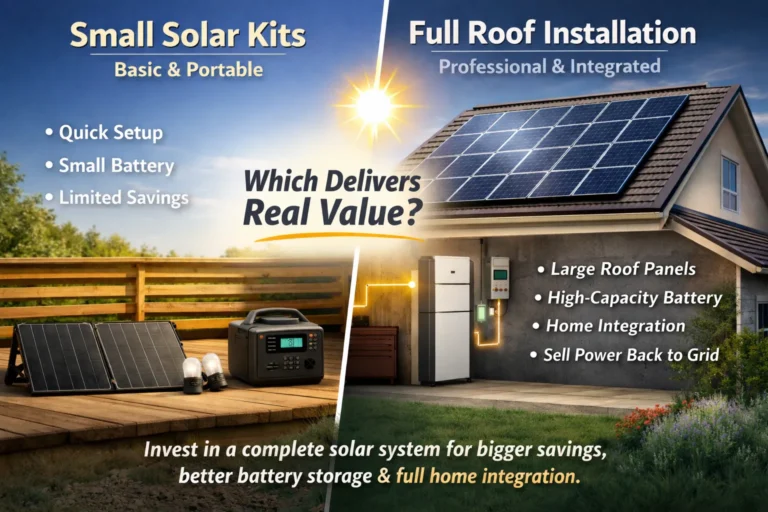
DIY Solar Panel Kit vs Full Home Solar Installation
DIY solar panel kits have become increasingly popular, and for good reason. They’re accessible, relatively low-cost, and often marketed as a quick way to start generating your own electricity. For sheds, garden offices, caravans, or very low-energy usage, they can absolutely serve a purpose. However, when homeowners search for “DIY solar panel kit UK”, they…
-
Did You Receive Our Latest Solar & Battery Storage Leaflet?
If our latest leaflet has come through your door, it explains why now could be the right time to consider solar panels for your home in Scotland. With energy costs remaining unpredictable, more homeowners are looking for practical ways to reduce reliance on the grid, lower long-term bills, and make better use of renewable technology….
-
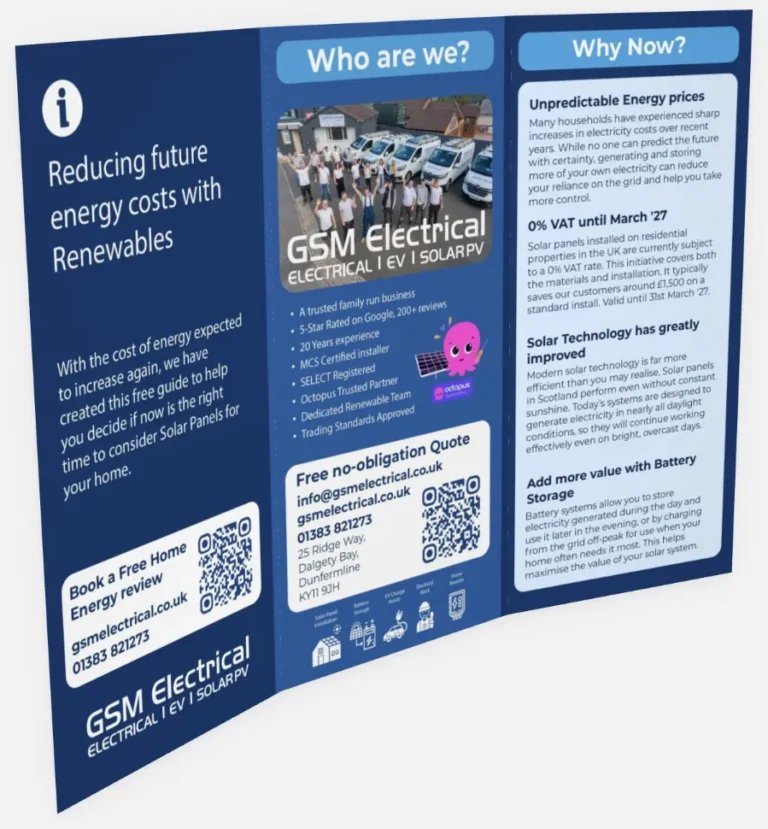
0% VAT on Solar Panels Until March 2027: What UK Homeowners Need to Know
0% VAT on Solar Panels in Fife Until March 2027 Homeowners in Fife looking to invest in solar panels have a major opportunity to save money while reducing their energy bills. Solar panels installed on residential properties in the UK are currently subject to a 0% VAT rate, helping make renewable energy more affordable for…
⚡ MCS Certified Installer
🏆 500+ Installations in Scotland
📍 Serving Fife & Central Scotland
🔍 Free, No-Obligation Site Survey
🔒 10-Year Workmanship Guarantee
Common questions, honest answers
The questions people actually ask before going solar — answered plainly.
Question not answered above?
☀️ Ready to take the next step?
You've done the research.
Now get your free site survey.
No commitment, no pressure. Just an honest assessment of your home's solar potential and a clear, transparent quote.
MCS Certified · 500+ Installations · Workmanship Guarantee · SELECT Approved